
From November to March, Uluwatu has its wet season. That does not mean a washed-out holiday: most days still bring plenty of sunshine, and the rain tends to arrive in short, heavy tropical downpours, often in the afternoon or evening, before the sky clears again. The trick is to plan around it. Here is our local guide to a rainy day in Uluwatu, with ten things to do when it rains, from the people who cook on Jl. Labuansait every day of the year.
When does it rain in Uluwatu?
- Wet season: roughly November to March, with the heaviest rain usually around December to February.
- Dry season: roughly April to October, when rain is rare.
- Time of day: mornings are often the clearest part of the day in the wet season. Showers tend to build later and can be heavy but short.
- The Bukit is drier than much of Bali: the Bukit Peninsula usually gets less rain than the mountains and the rice-field areas further north.
For month-by-month detail, see our guide to Uluwatu weather and the best time to visit.
10 things to do on a rainy day in Uluwatu
1. Do the beach first thing
In the wet season, the morning is your window. Head to the beach early, swim while the sky is clear and be back under cover by the time the clouds roll in. Our guide to the best beaches in Uluwatu will help you choose. After heavy rain the sea can be murky near the shore, so a beach on a clear morning is always the best bet.
2. Settle in for a long Italian lunch
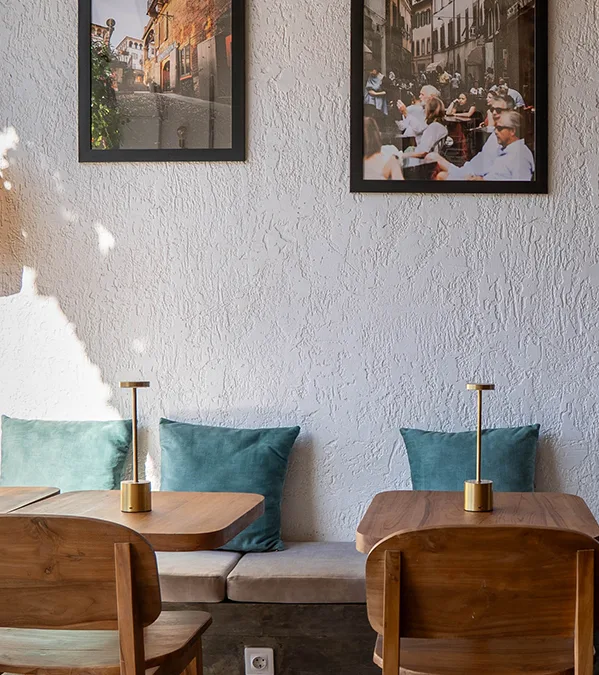
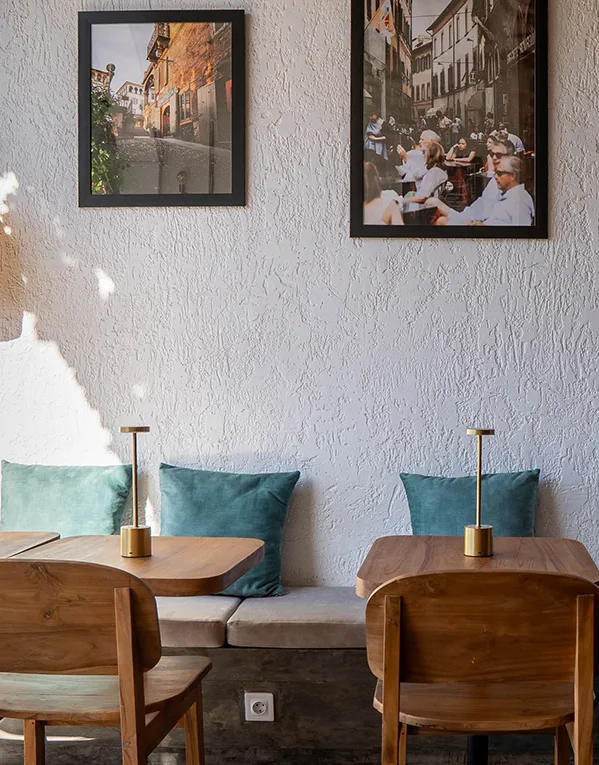
There is no better way to wait out a tropical downpour than a long lunch. At CAVO we serve lunch from 12 PM, Tuesday to Sunday: generously filled focaccia sandwiches, oval Roman-style pizza, fresh pasta from family recipes and Italian salads, all in generous, Nonna-sized portions. Order a pasta, a pizza and a bottle of wine for the table and let the rain do its thing. See our lunch menu.
3. Book a massage or spa treatment
A Balinese massage is the classic rainy-day plan, and the Bukit has spas for every budget, from simple massage studios to clifftop day spas. The sound of rain on the roof only makes it better. Book ahead on wet afternoons, as everyone has the same idea.
4. Take a cooking class
Learning to cook Balinese food is a great way to spend a wet afternoon. Many classes start with a market visit and end with you eating everything you made. It is also a lovely way to understand the island’s spices and flavours.
5. Go to a yoga class
Uluwatu has a strong yoga scene, with covered, open-air shalas where you can listen to the rain while you stretch. Drop-in classes run throughout the day, so it is easy to fit one in when the weather turns.
6. Work, read or plan with good Wi-Fi
Rainy afternoons are perfect for catching up on emails or planning the rest of your trip. CAVO has free Wi-Fi and laptops are welcome at lunch, so you can settle in with a spritz and a focaccia while it pours outside.
7. Watch the storm roll in, then catch the sunset
Some of the most dramatic skies of the year come in the wet season. Storms often clear just before sunset, leaving huge clouds lit up in pink and orange over the ocean. Keep an eye on the sky from about 5 PM and head for the cliffs if it opens up. Our Uluwatu sunset guide has the exact sunset time for every month.

8. Make it an early aperitivo
When the afternoon turns grey, start the evening early. Aperitivo Romana runs every day at CAVO from 4 to 6 PM, with beer for IDR 65K and wine or a spritz for IDR 100K. Read our guide to the Italian aperitivo if you are new to the ritual.
9. Visit Uluwatu Temple between showers
Uluwatu Temple is open-air, so pick a dry spell. The clifftop paths are spectacular under stormy skies, but the stone can be slippery after rain, so wear shoes with grip. The Kecak fire dance is held at sunset and can be affected by very heavy rain, so check on the day before you go.
10. Stay in with a pizza night
Sometimes the best plan is not to go out at all. Everything on our menu is available to take away, so you can pick up pizzas, pasta and Nonna’s tiramisu and have an Italian night in at your villa.

What about surfing in the rainy season?
The wet season brings a change in the wind, which often makes the famous west-facing breaks around Uluwatu messier, while spots on the other side of the Bukit can come to life. Rain itself does not stop the surf, but stay out of the water in lightning, and be aware that water near river mouths and drains can be dirty after heavy rain. Our guide to surfing Uluwatu explains the breaks and seasons.
Tips for a rainy day in Uluwatu
- Ride carefully. Roads on the Bukit get slippery and some flood quickly in heavy rain. If you are not confident on a scooter in the wet, book a car instead.
- Pack a rain poncho. Cheap ponchos are sold everywhere and are far more useful than an umbrella on a scooter.
- Plan mornings outside, afternoons inside. It is the simplest way to make the most of the wet season.
- Wear shoes with grip. Beach stairs, cliff paths and temple steps get slippery.
- Bring insect repellent. Mosquitoes are more common after rain.
- Book the busy times. Rainy evenings, and the Christmas and New Year period, fill up fast.
For more ideas, see the best things to do in Uluwatu and our 3-day Uluwatu itinerary.
Or book through our reservations page. Walk-ins are always welcome.
Rainy day in Uluwatu FAQs
When is the rainy season in Uluwatu?
The rainy season in Uluwatu runs roughly from November to March, with the heaviest rain usually around December to February. The dry season runs roughly from April to October.
Does it rain all day in Uluwatu in the wet season?
Usually not. Rain in Uluwatu tends to come in short, heavy tropical downpours, often in the afternoon or evening, with plenty of sunshine in between. Mornings are often the clearest part of the day.
What can you do in Uluwatu when it rains?
On a rainy day in Uluwatu you can enjoy a long lunch, book a massage or spa treatment, take a cooking or yoga class, start aperitivo early, watch the storm clouds at sunset, or stay in with takeaway pizza and pasta.
Is it worth visiting Uluwatu in the rainy season?
Yes. The rainy season is quieter outside the Christmas and New Year period, the landscape is green, and most days still have long sunny spells. Plan outdoor activities for the morning and keep the afternoon flexible.
Where can I eat in Uluwatu on a rainy day?
CAVO Bar & Bistro on Jl. Labuansait, Pecatu serves fresh pasta from family recipes, oval Roman-style pizza and focaccia sandwiches, with lunch from 12 PM (Tuesday to Sunday), aperitivo from 4 to 6 PM daily, dinner every night and everything available to take away.